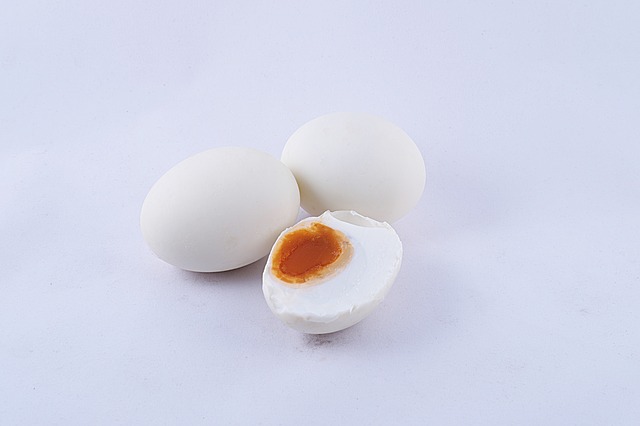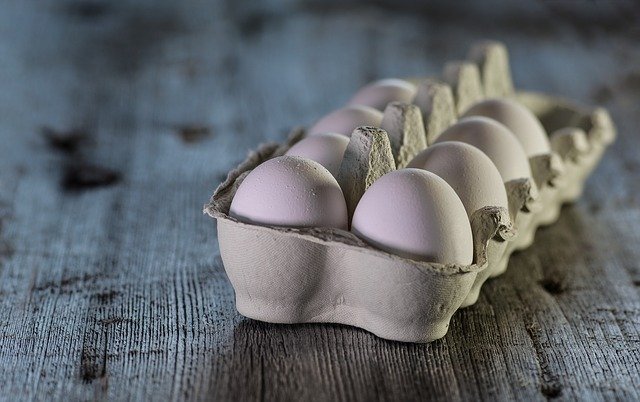
Boiled eggs are used as ingredients in countless dishes all around the World or they can provide the main components to a variety of popular meals, particularly those enjoyed by huge numbers of people eating their first food of the day at breakfast times.
Boiled egg uses and meals
Examples of boiled eggs being used as ingredients in dishes include kedgeree, an Indian-style-spiced rice-based recipe containing smoked fish and, importantly, pieces of hard (or slightly soft) boiled eggs. Boiled eggs can also be found cut into segments in a variety of soups, such as the Polish sour soup called Zurek, or as part of a salad, like the Niçoise that originates from Nice in France and also contains olives bearing the same name, as well as tomatoes, leaves and anchovies or tuna.
As for boiled eggs comprising the main ingredient of a meal itself, well, of course, they may be eaten as they are for a tasty breakfast or brunch, cooked soft and served with the shell still on and in an egg cup with slices of warm, buttered toast dubbed as “soldiers”, which are perfect for dipping into a runny yolk. Alternatively, how about Scotch eggs that consist of a boiled egg surrounded in sausagemeat (after removing the shell this time) and breadcrumbs on the outside, which is then deep fried until golden and crispy. Sounds delicious and hunger-inducing, right? Right. Better learn how to boil those eggs immediately then!
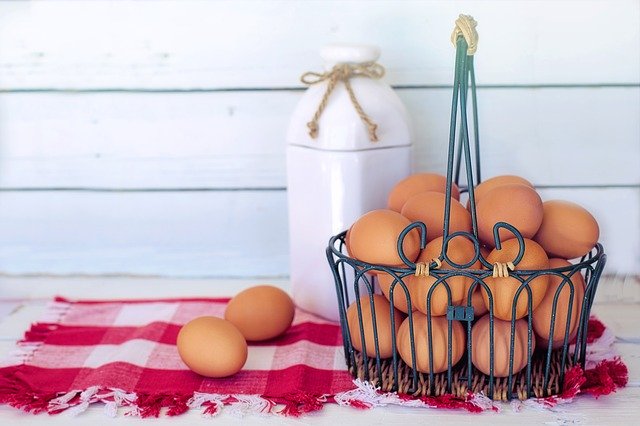
source: pixabay.com
Different methods for boiling eggs
Eggs should always be boiled starting from room temperature in order to achieve the correct cooking times, so first of all take them out of the fridge, if stored there, a few hours in advance. Raw eggs should then be lowered into a saucepan of water, which is sufficiently filled such that the eggs are all completely submerged, one at a time using a slotted spoon. The different methodologies for boiling eggs concern whether the water in the pan is at boiling point before the eggs are placed there, or wether the heat is turned on and the water brought to the boil whilst the eggs are already in the saucepan.
It is strongly recommended to follow the first technique, since different amounts of water and eggs, as well as various stove-top hob types, such as gas, electric or induction, may all contribute to different heating times required to boil the water. This will result in the eggs beginning to cook while the water itself is warming up, thus affecting the timings required to cook the eggs perfectly.
How long should you boil eggs for?
So, a saucepan with sufficient water has been brought up to the boil and the eggs have just been placed inside, so it’s now a good idea to start a timer. After 6 minutes the egg whites will be cooked and the yolk will be soft. 8 minutes will produce a slightly soft yolk, whereas 10 will give a hard yolk. For a very firm hard boiled egg, cook for 14 minutes – though much longer will lead to overcooking and a characteristic green-tinge around the yolk. Now just remove from the water and enjoy!